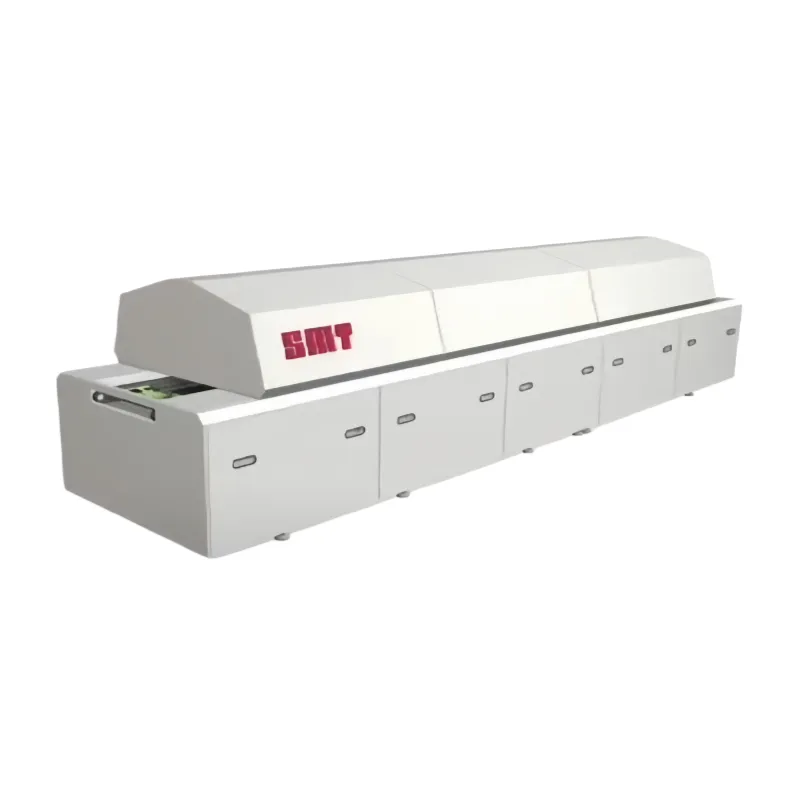
Reflow Soldering Guide: Working Principle, Temperature Profile, Operating Procedure, and Safety Precautions
I. Working Principle: What is “Reflow”?
The term “reflow soldering” vividly describes its core operational process.
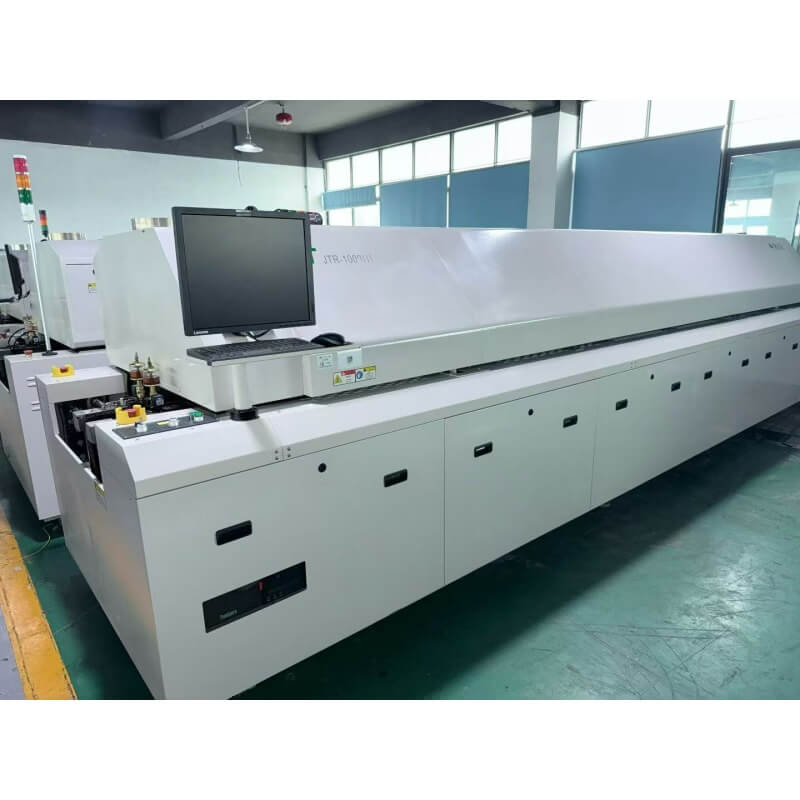
Simply put, reflow soldering is an automated surface mount technology (SMT) soldering process. It operates on printed circuit boards (PCBs) that already have solder paste applied and components placed on them.
The core principle consists of four steps:
Precision Solder Application: Solder paste (a mixture of solder powder, flux, etc.) is precisely printed onto the PCB pads using a stencil.
Component Placement: A pick and place machine accurately places surface mount devices (SMDs) onto the solder paste.
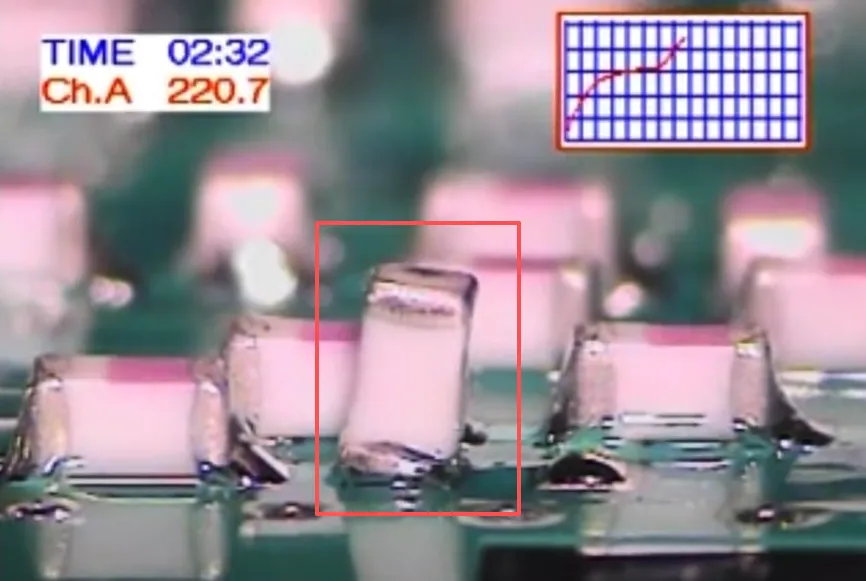
Melting and “Reflow”: The PCB enters the reflow oven, which heats up according to a preset temperature profile. When the temperature reaches the melting point of the solder paste (typically between 220°C and 250°C), the solder powder melts into a liquid. Driven by liquid surface tension and flux, the molten solder “reflows,” wetting the component leads and PCB pads to form a reliable electrical and mechanical connection.
Cooling and Solidification: The PCB enters the cooling zone where the solder joints rapidly cool and solidify, completing the soldering process.
II. Core Process: The Crucial Temperature Profile
Reflow soldering quality depends heavily on precise control of the temperature profile, which generally spans four stages:
Preheat Zone: As the PCB enters the oven, its temperature rises slowly from room temperature to about 150°C. This ensures the PCB and components heat evenly to prevent thermal shock, allows solvents and moisture in the solder paste to evaporate slowly, and activates the flux. The ramp rate is typically 1.5°C to 3°C per second.
Thermal Soak Zone: Temperatures are maintained around 150°C. This stage equalizes the temperature across components of varying sizes and heat absorption capacities, eliminating thermal differentials. Simultaneously, the flux fully activates to remove surface oxides, preparing the metal surfaces for welding.
Reflow Zone: This is the most critical zone, where temperatures climb rapidly to a peak (210°C–250°C). Solder powder fully melts, wetting and spreading with flux assistance to form joints. The total reflow duration (time above 217°C to peak and back down to 217°C) generally lasts 60 to 90 seconds.
Cooling Zone: After welding, the PCB cools rapidly to solidify the joints. An optimal cooling rate (3°C to 10°C per second) ensures fine-grained crystallization and high mechanical strength.
III. Operating Procedure: From Preparation to Inspection
A standard reflow soldering workflow includes these steps:
Production Preparation and Equipment Check: Operators check the interior for debris, ensure proper grounding, and verify emergency switches function correctly. Turn on the machine and select the appropriate production program.
Parameter Setup and Adjustment: Adjust the conveyor track width to match the PCB size. Set the temperature profile using specifications provided by the solder paste supplier, fine-tuning for board size, material, and thickness, alongside conveyor speed.
Execution: Once all zones reach target temperatures, feed assembled PCBs onto the conveyor in the correct direction. Maintain a minimum spacing of 10 mm between consecutive boards.
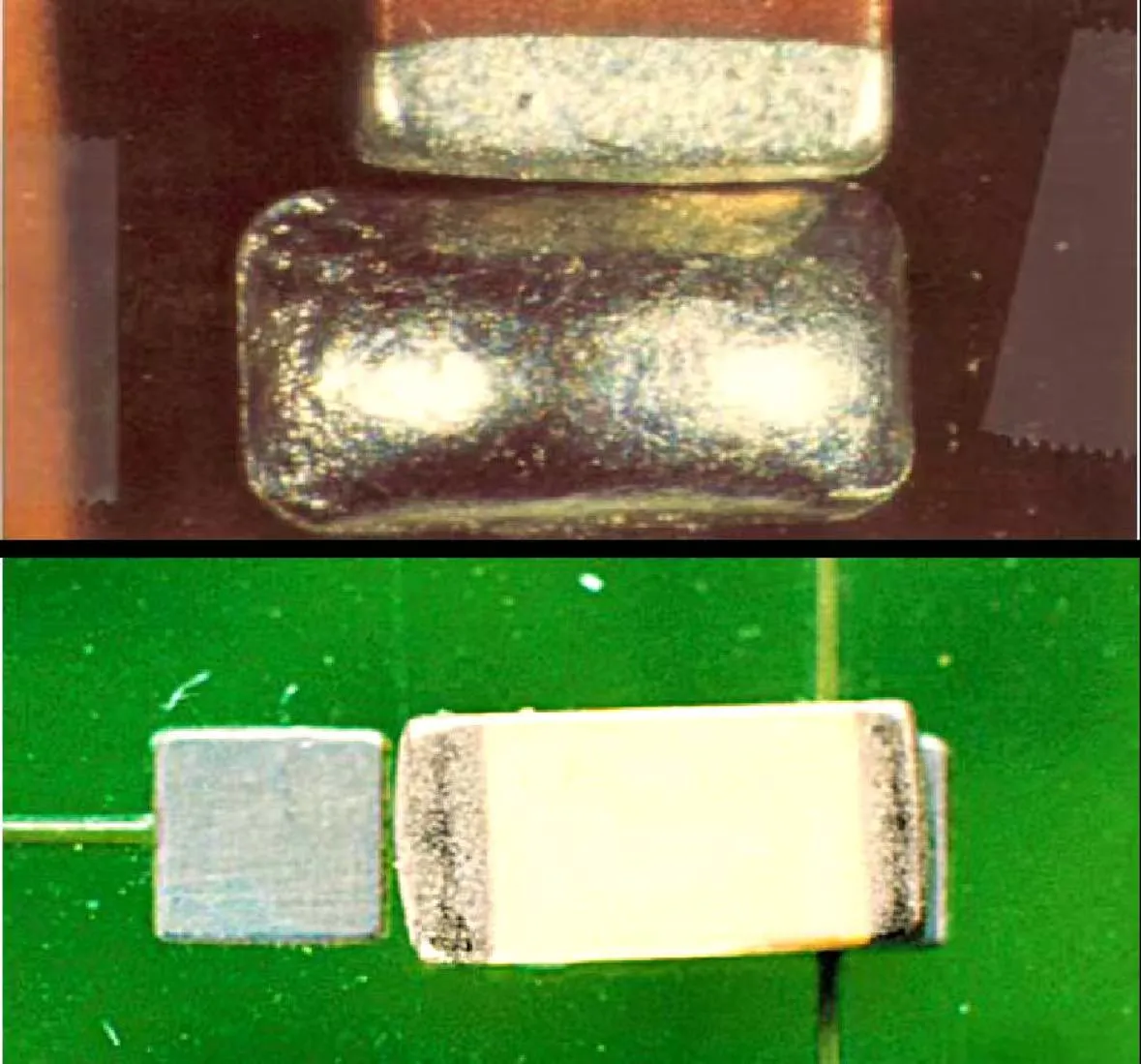
Quality Monitoring and Sampling: Regularly inspect soldered PCBs (e.g., sample 10 pieces per hour) for smooth, bright joints, checking for shorts or cold solder joints. Periodically use a thermal profiler to verify actual oven temperatures match settings.
Product Sorting and Record-Keeping: Sort completed PCBs by batch and model, and log daily operating parameters and inspection results.
IV. Important Precautions
Safety First: Wear safety gloves and handle PCBs only by their edges to prevent burns. Ensure good ventilation. Never splash liquids like water or oil into the running oven.
Solder Paste Management: Store and use solder paste according to guidelines to prevent moisture absorption or expiration, which compromises quality.
Strict Parameter Control: Operators must not alter production parameters arbitrarily; notify technicians immediately if adjustments are needed.
PCB Cleanliness: Ensure PCB surfaces are clean, free of dirt, and unoxidized—a prerequisite for flawless solder joints.