Understanding SMT Tombstoning (Manhattan Effect): 15 Root Causes and Prevention Guide
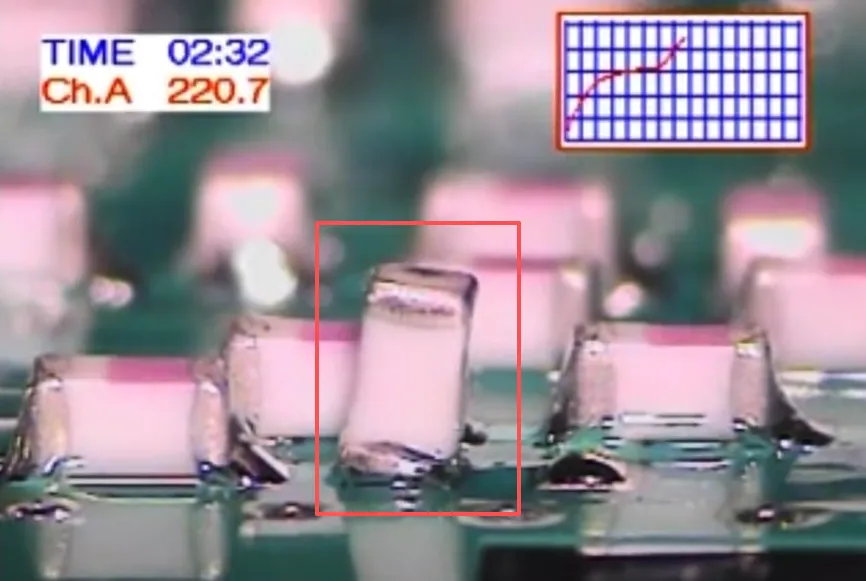
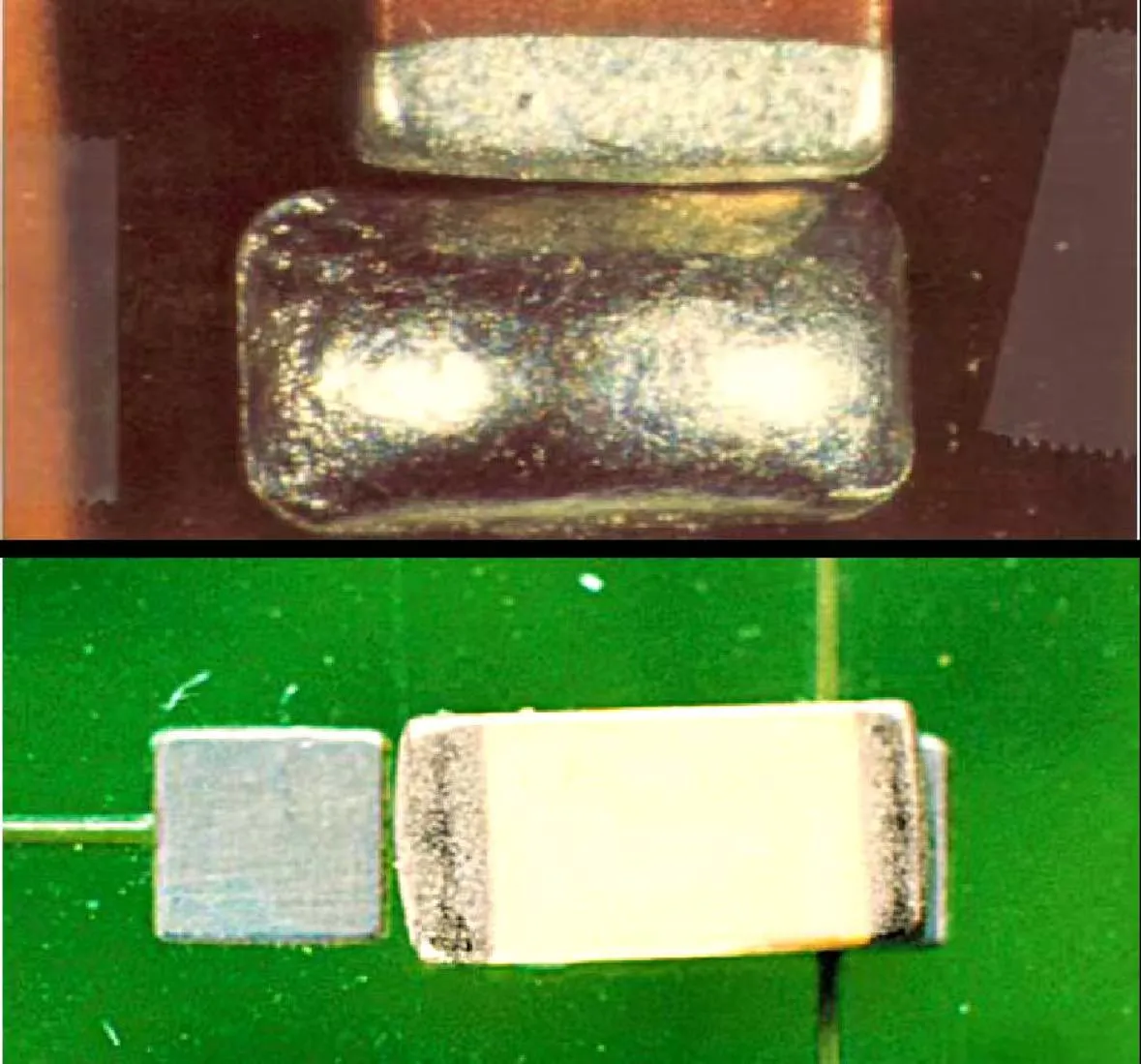
In Surface Mount Technology (SMT) assembly, tombstoning—also known as the Manhattan Effect—is one of the most common and frustrating soldering defects. It occurs when a passive surface-mount component (like a chip resistor or capacitor) lifts off one of its pads during the reflow soldering process, standing upright like a tombstone.
This defect disrupts electrical continuity and can cause costly production delays. To prevent it, engineers must understand the underlying physics and process variables. Below are the 15 primary root causes of SMT tombstoning and how they happen:
1. Asymmetrical Thermal and Wetting Forces
1. Imbalance in Torque: Asymmetrical wetting forces between the two pads create an uneven pulling moment.
2. Uneven Heat Distribution: Differences in thermal capacitance (such as one pad connected directly to a heavy GND copper plane) cause solder to melt at different rates.
3. Component Placement Offset: Discrepancies in the overlap between the component termination and the PCB pad.
4. Solder Paste Printing Offset: Misalignment causes the surface tension of the molten solder to act disproportionately on one end.
5. Asymmetrical Solder Paste Volume: Inconsistent paste deposits result in unequal wetting forces; volumes must be symmetrical and equal.
2. Design and Material Factors
6. Asymmetrical Pad Layout: Poor design lacking thermal reliefs or tie bars on high-mass planes.
7. Contamination: Foreign matter or oxidation on one pad leads to poor wetting force.
8. Pitch Mismatch: Discrepancies between the component inner spacing and the PCB pad inner spacing.
11. Uneven Solder Mask / Protruding Ink: “Teeter-totter” style solder mask dams can physically tip components.
11 (Alt). Tantalum Capacitor Outgassing: Gas release during reflow (preventable via pre-production baking).
12. ENIG Layer Issues: Contamination or oxidation on the Electroless Nickel Immersion Gold layer.
13. Inferior HASL Finish: Excessively thin Hot Air Solder Leveling or poor alloyed Intermetallic Compound (IMC) layers.
3. Machine and Process Variables
9. Solder Theft / Blowholes: Vias on adjacent pads stealing solder or causing outgassing (historically N/A or cancelled depending on design rules).
10. “Air-Dropping” Components: Dropping components during placement without proper mounting pressure or contact.
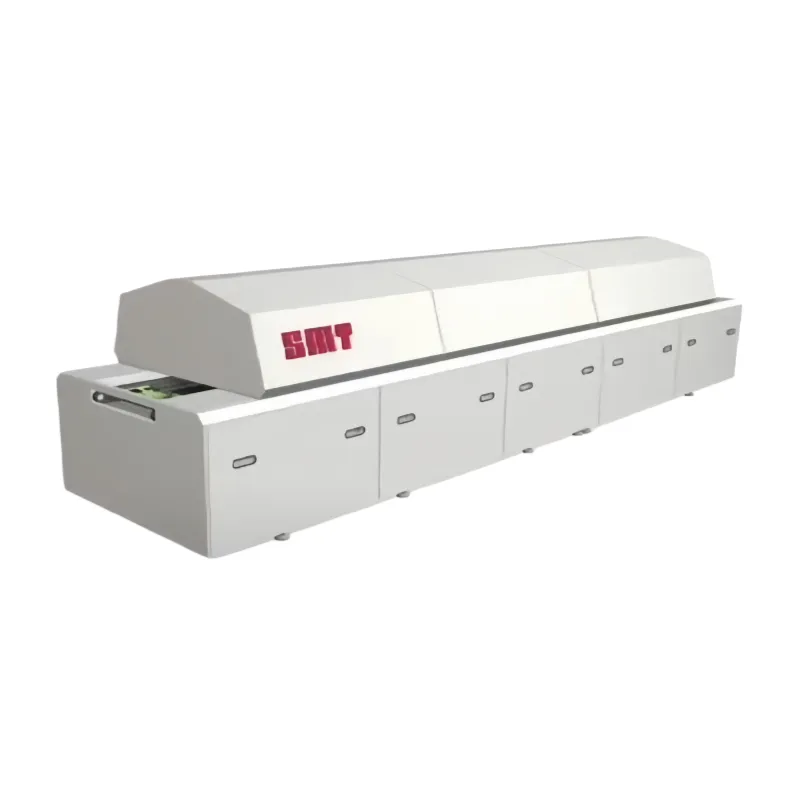
14. Wind-Wall Effect: Airflow turbulence in the reflow oven (fan frequency ≤30 Hz).
15. Excessive Flux Volatilization: Rapid or excessive flux burn-off during RSS (Ramp-Soak-Spike) or RTS reflow profiles.
Conclusion
Tombstoning is rarely caused by a single factor; it is usually a combination of thermal imbalance, layout design flaws, and printing inconsistencies. By auditing your pad layouts, optimizing stencil designs, stabilizing reflow profiles, and ensuring precise pick-and-place alignment, you can drastically reduce the Manhattan Effect and boost your SMT first-pass yield.