Pick and Place Machine Maintenance Guide: Daily, Weekly, Monthly, and Annual Best Practices
Proper maintenance of a pick and place machine is crucial for ensuring placement accuracy, operational stability, and an extended equipment lifespan. A systematic and standardized maintenance workflow is typically executed across daily, weekly, monthly, and annual cycles.
Daily Maintenance: Essential Everyday Tasks
Daily maintenance forms the foundation for reliable day-to-day operations and primarily includes:
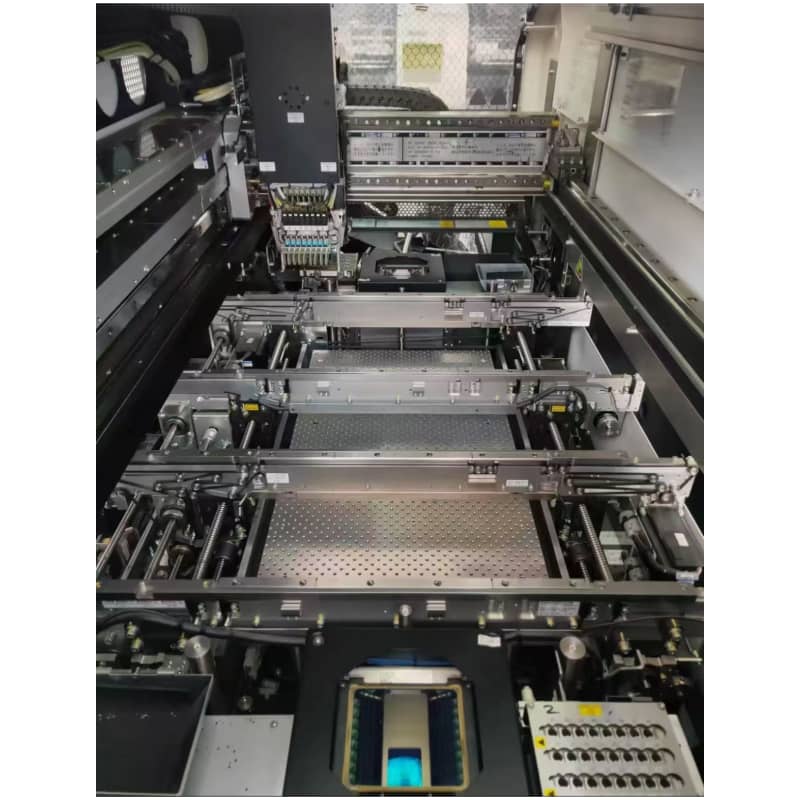
Cleaning and Inspection: After daily operation, use a brush or vacuum cleaner to remove dust, dropped components, and solder paste residue from the worktable, feeders, and conveyor rails. Wipe the machine body, monitor, and external surfaces with a clean white cloth.
Warm-Up: Allow the machine to automatically warm up for at least 20 minutes after startup to bring all components into a stable operating state.
Core Component Check: Inspect nozzles for wear or clogging; verify that all moving parts make good contact with no loose screws; clean the surfaces of all sensors.
Weekly Maintenance: In-Depth Servicing
Building upon daily routines, weekly maintenance involves more thorough inspections and upkeep:
Lubricating Moving Parts: Apply an appropriate amount of lubricating oil or grease to key moving components such as lead screws, guide rails, and sliders. Ensure that drive belts remain free of grease.
Thorough Nozzle Cleaning: Carefully inspect all nozzles for clogs and clean them when necessary. Use an alcohol-swab to clean nozzle holders and buffer springs.
Optical System Cleaning: Gently wipe laser heads, camera lenses, and glass covers with dust-free paper to ensure clear imaging.
Monthly Maintenance: Comprehensive Performance Checks
Monthly maintenance involves a relatively comprehensive performance audit and servicing:
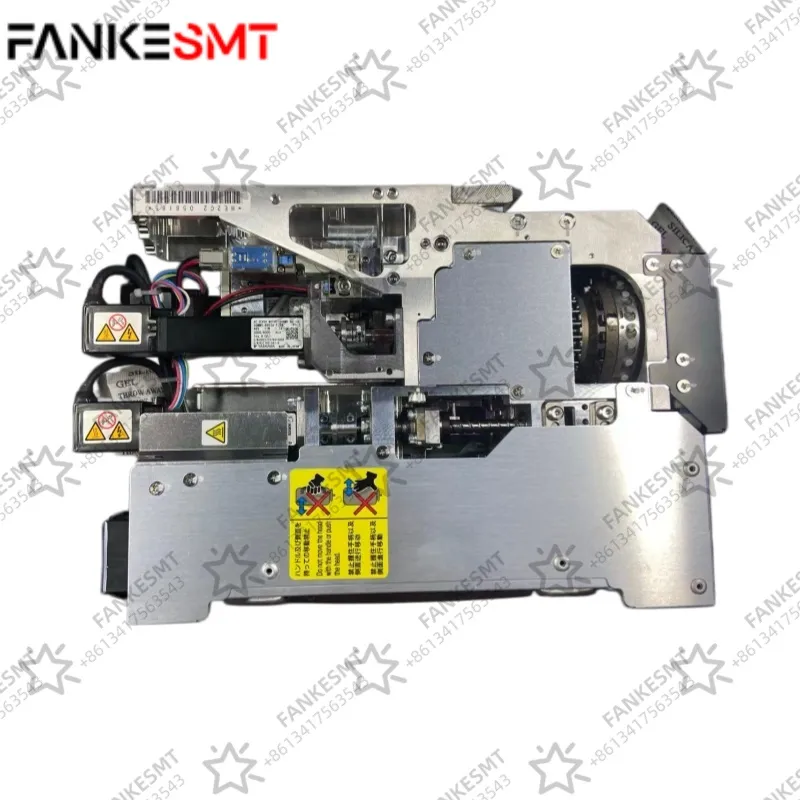
Cleaning and Lubrication: Thoroughly clean moving axes on the placement head and X/Y linear bearings, then replace with fresh lubricant.
Electrical and Pneumatic Inspection: Use a vacuum cleaner to remove dust inside the electrical cabinet; check all grounding wires for secure contact; inspect pneumatic connectors for air leaks.
Vacuum System Maintenance: Clean the vacuum generator and replace aging sealing rings.
Annual Maintenance: Professional Overhaul
Annual maintenance is recommended to be performed by equipment suppliers or professional technicians, focusing on:
Comprehensive Diagnostics: Conduct deep cleaning, system diagnostics, and necessary hardware upgrades.
Electrical Check: Verify that all power connections inside the electrical box are secure.
Wear Assessment and Replacement: Fully assess and replace heavily worn components, such as internal wiring, cables, motors, and lead screw mounting screws.
Environment and Operating Best Practices
In addition to periodic maintenance, a controlled environment and standardized operation are equally vital:
Environmental Control: Maintain the workshop temperature between 20–28°C (68–82°F) and relative humidity between 40% and 70%. The environment should be clean, dust-free, and free of corrosive gases.
Standardized Operation: Ensure all operators are properly trained. Strictly prohibit placing heads or hands inside the machine during operation. Cover the machine with a dust cover when it is not in use for extended periods.
In conclusion, pick and place machine maintenance is a progressive, cumulative engineering system. Establishing and strictly adhering to this periodic maintenance schedule is the reliable key to ensuring efficient, stable operation and maximizing equipment lifespan.