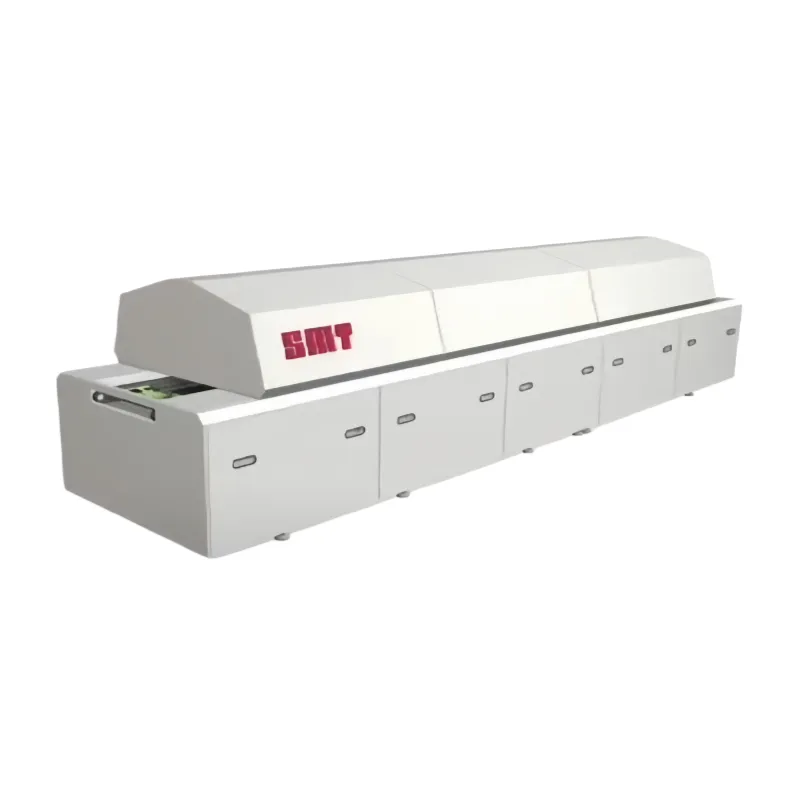
SMT Pick and Place Machine: A Beginner’s Guide to Basic Operating Procedures
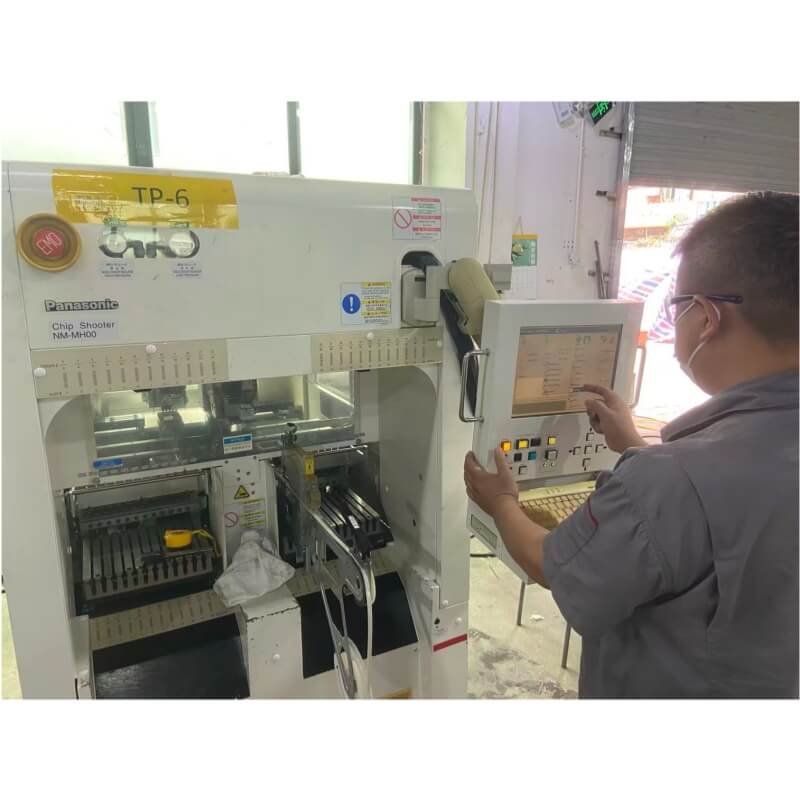
The SMT pick and place machine is core equipment on electronics manufacturing production lines, responsible for accurately placing various electronic components onto circuit boards. For operators newly introduced to SMT machine operation, mastering the following basic workflow ensures a quick and efficient start.
1. Pre-Startup Preparation: Inspection and Materials
Before powering on, complete these three key tasks:
Equipment Inspection: Confirm that power supply and air pressure are normal, the machine interior is free of debris, and the emergency stop button is reset.
Material Preparation: Prepare the PCB boards and corresponding electronic components (resistors, capacitors, ICs, etc.) according to the production plan, verifying that part numbers match the BOM (Bill of Materials).
Feeder Preparation: Mount the component feeders onto the SMT feeder base, ensuring they are securely fastened.
2. Startup and Homing (Return to Origin)
Power On: Turn the main power switch to start the pick and place machine, then wait for the system to complete self-checks and initialization.
Homing: Click the “Home” button so all machine axes automatically return to their mechanical origin. This is a vital foundation for placement accuracy.
Warm-up (If needed): Let the machine idle for a few minutes to bring all mechanical parts to optimal working conditions.
3. Program Loading and Track Width Adjustment
Load SMT Program: Select the corresponding product placement program in the system. The system will automatically load placement coordinates, component parameters, and other data.
Adjust Conveyor Width: Input the PCB width dimensions, allowing the machine to automatically adjust the conveyor rails so the PCB passes smoothly.
4. Material Loading and Station Verification
Install Feeders: Load the component reels onto the feeders and install them into the specified station slots according to the program, ensuring they click firmly into place.
Material Verification: Cross-check the component station table in the program to verify every loaded part. This critical step directly prevents wrong placement and ensures high product quality.
5. Test Run and First Article Inspection (FAI)
Dry Run (Air Cut): Run the machine without a PCB to observe whether the placement head moves smoothly and check for unusual noises.
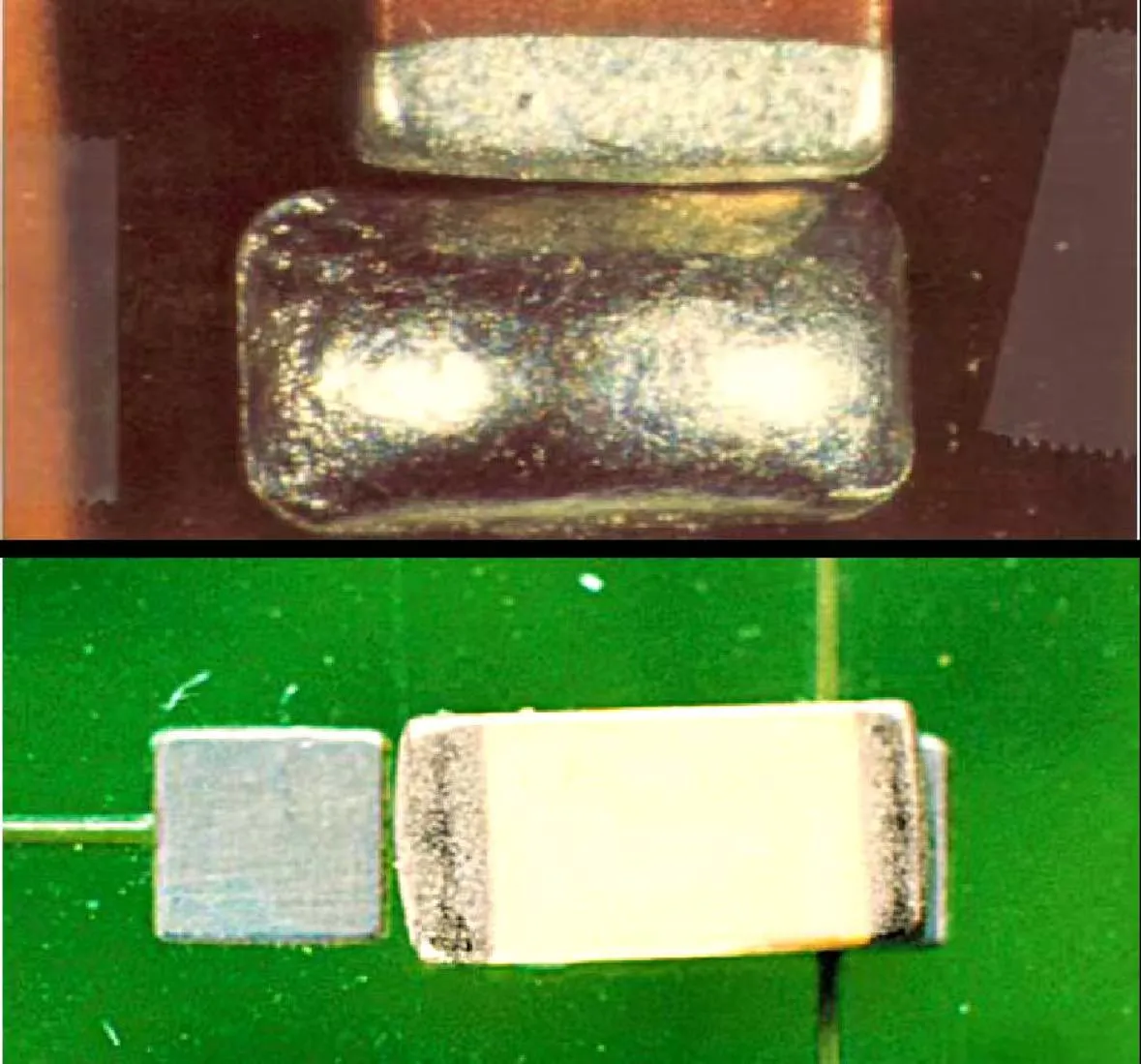
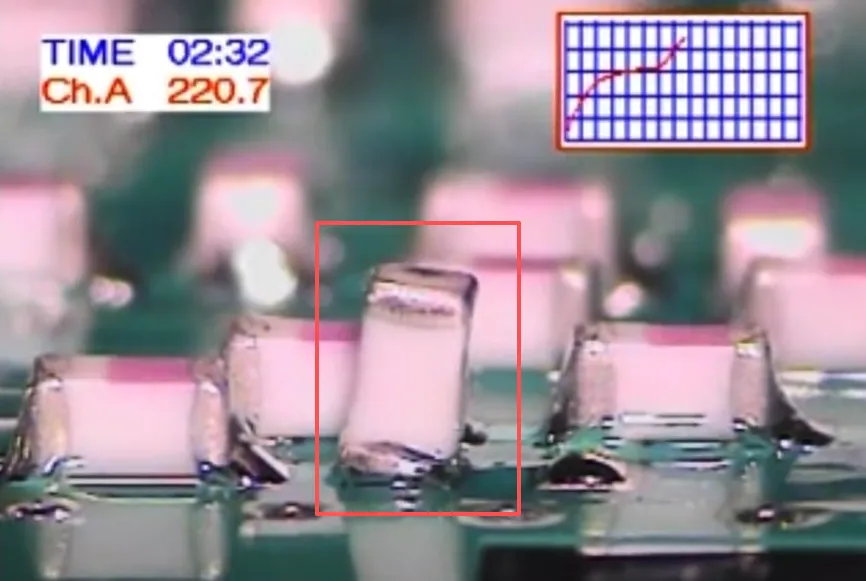
First-Piece Trial Mounting: Feed the first PCB for trial placement. Once completed, inspect component positions for accuracy, shifting, or tombstoning defects.
Parameter Tuning: Fine-tune placement height, pressure, and vision recognition parameters based on test results until the placement quality meets standards.
6. Mass Production and Monitoring
Start Production: Once parameters are verified, press the start button to begin automated SMT placement.
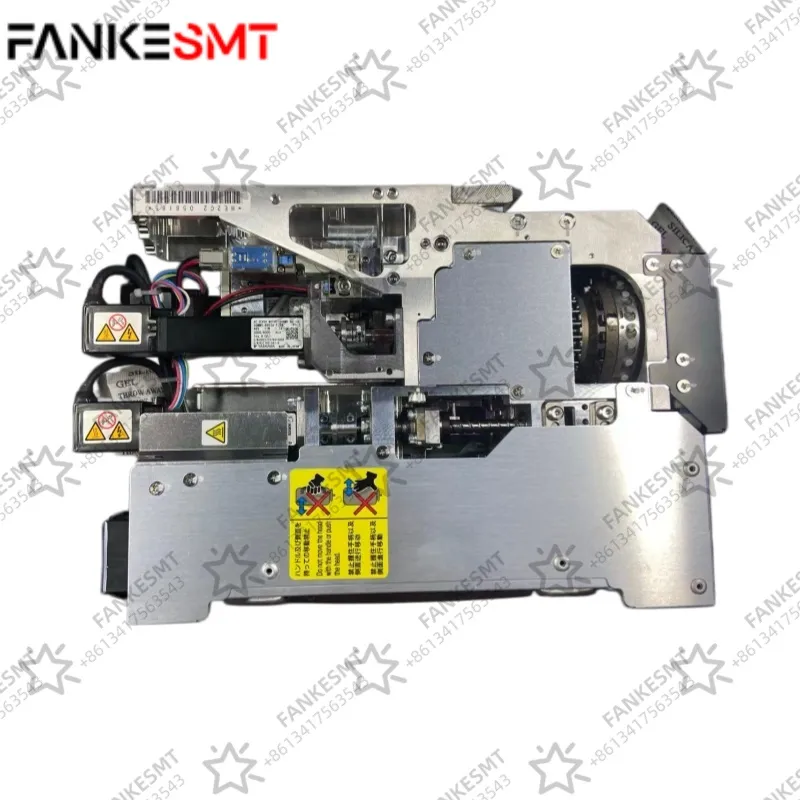
Process Monitoring: Monitor machine status and component rejection (throw) rate during production. If the throw rate rises abnormally, pause and check for clogged nozzles, feeder issues, or incorrect parameters.
Material Replenishment: When a feeder runs out of components, the system triggers an alarm. Pause the machine to replace the tape or feeder before resuming production.
7. Shutdown and Maintenance
End Production: Exit production mode and save the current operational data.
Power Off: Shut down the machine power following standard safety protocols.
Cleaning & Maintenance: Clean dust and debris inside the machine (especially around placement heads, nozzles, and conveyor belts). Implement daily 6S practices to prepare for the next shift.
8. SMT Safety Guidelines
No Hands Inside: When the machine is running (green indicator light on), never reach your hands inside.
Safety Interlock: Always press the emergency stop or pause button before changing feeders or resolving anomalies.
Regular Maintenance: Timely maintenance—cleaning nozzles, checking air paths, and lubricating moving parts—ensures long-term, stable machine operation.
Summary Golden Rule for SMT Operators:
Return to zero upon startup, load materials and check stations, the first piece must be trial-mounted, keep hands away during operation, shut down before changing materials, and clean up upon power off.
By following this standard operating procedure alongside routine maintenance, your SMT pick and place machine will run stably and efficiently, providing reliable placement assurance for your production line.